Retirement isn’t one schedule that fits everyone. Some people want full days. Others want quiet ones. The best retirement lifestyle isn’t about doing more or doing less. It’s about finally getting to decide for yourself.
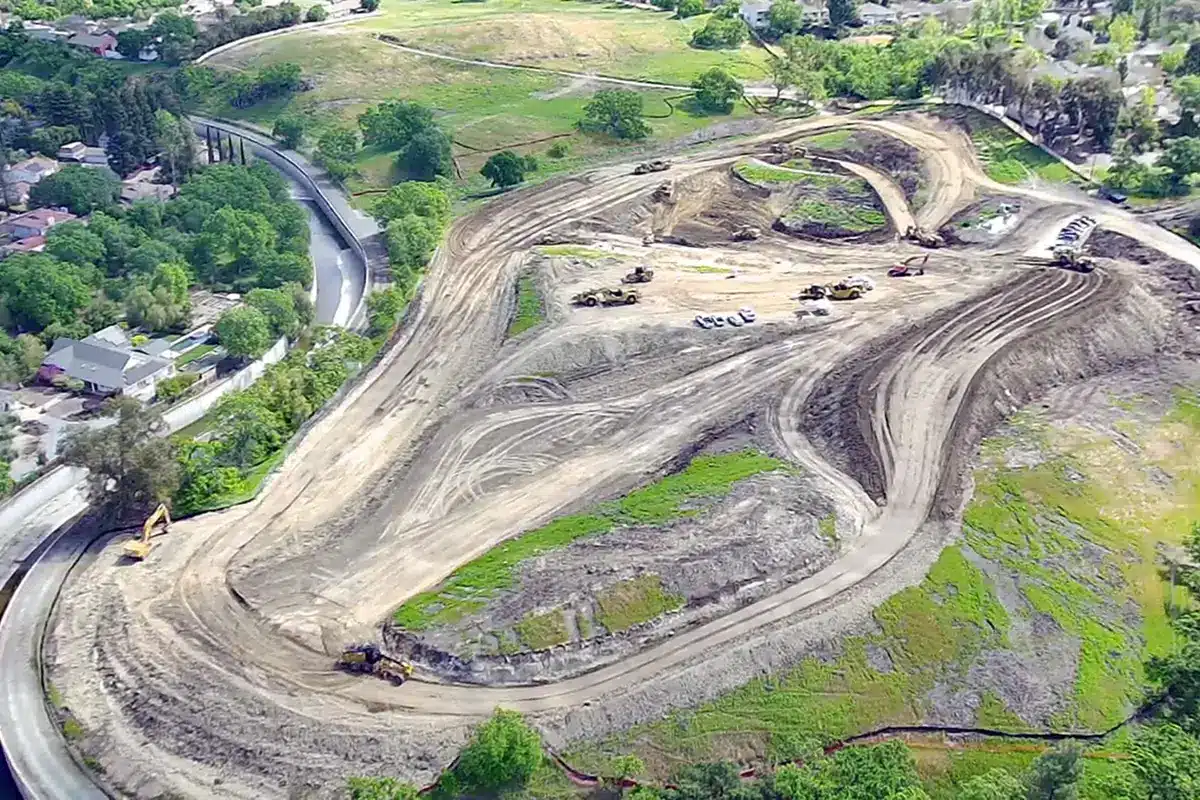
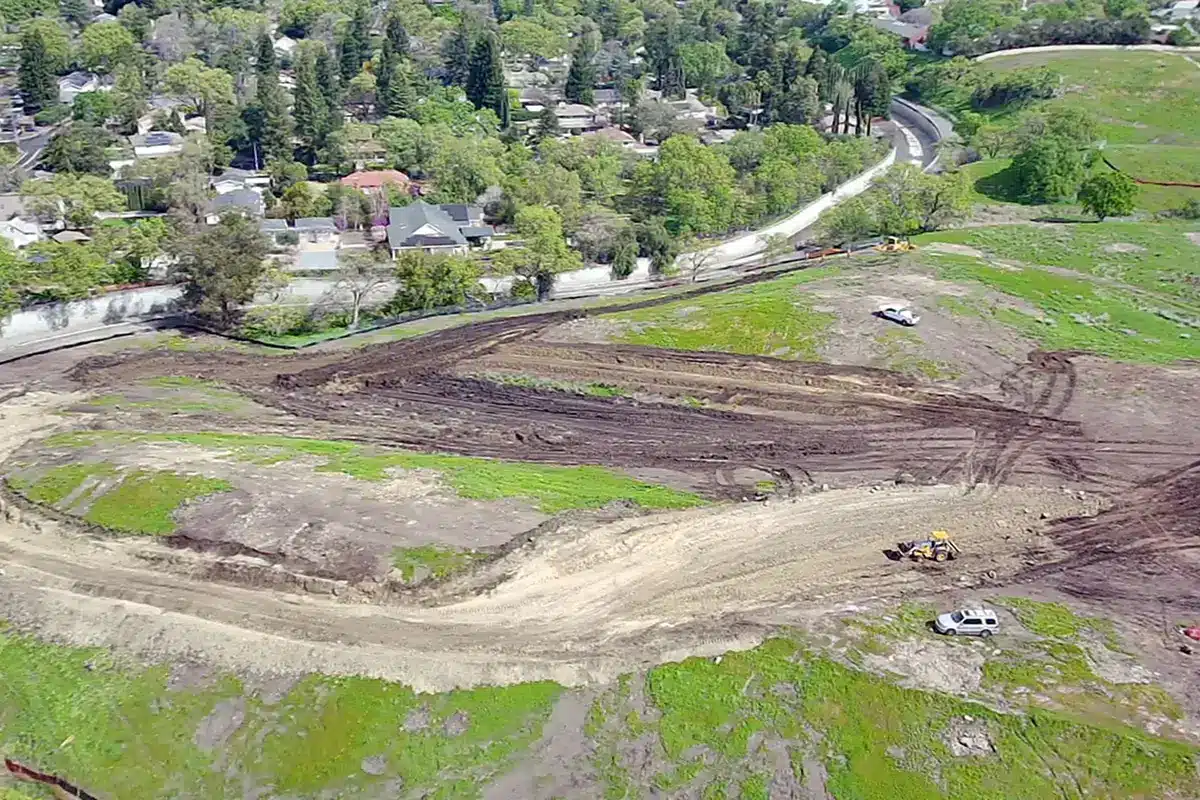
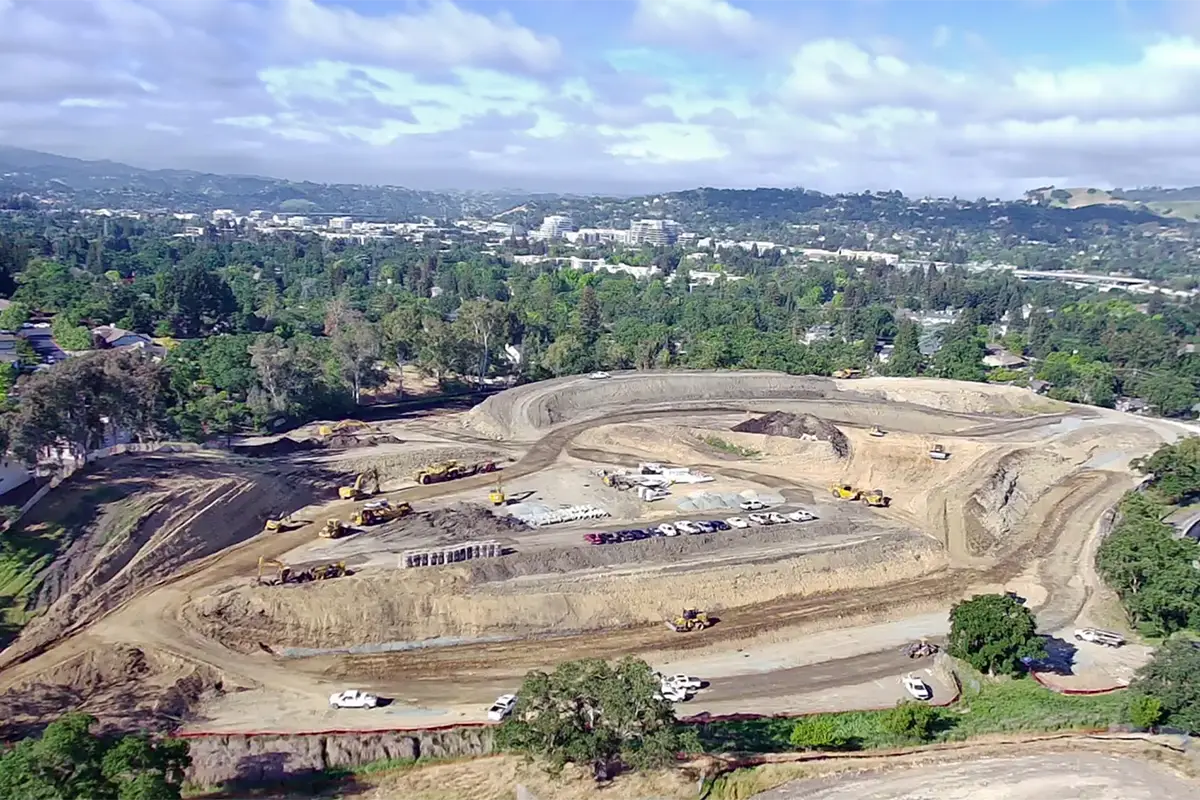
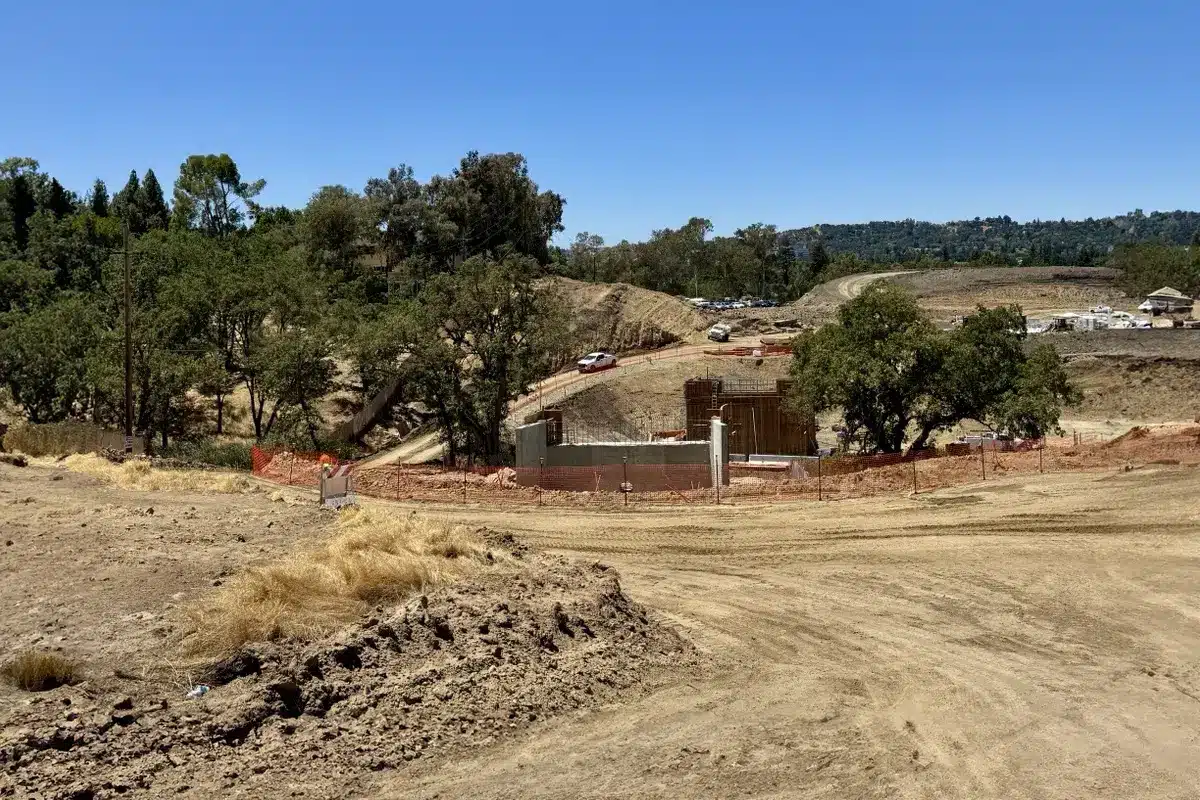
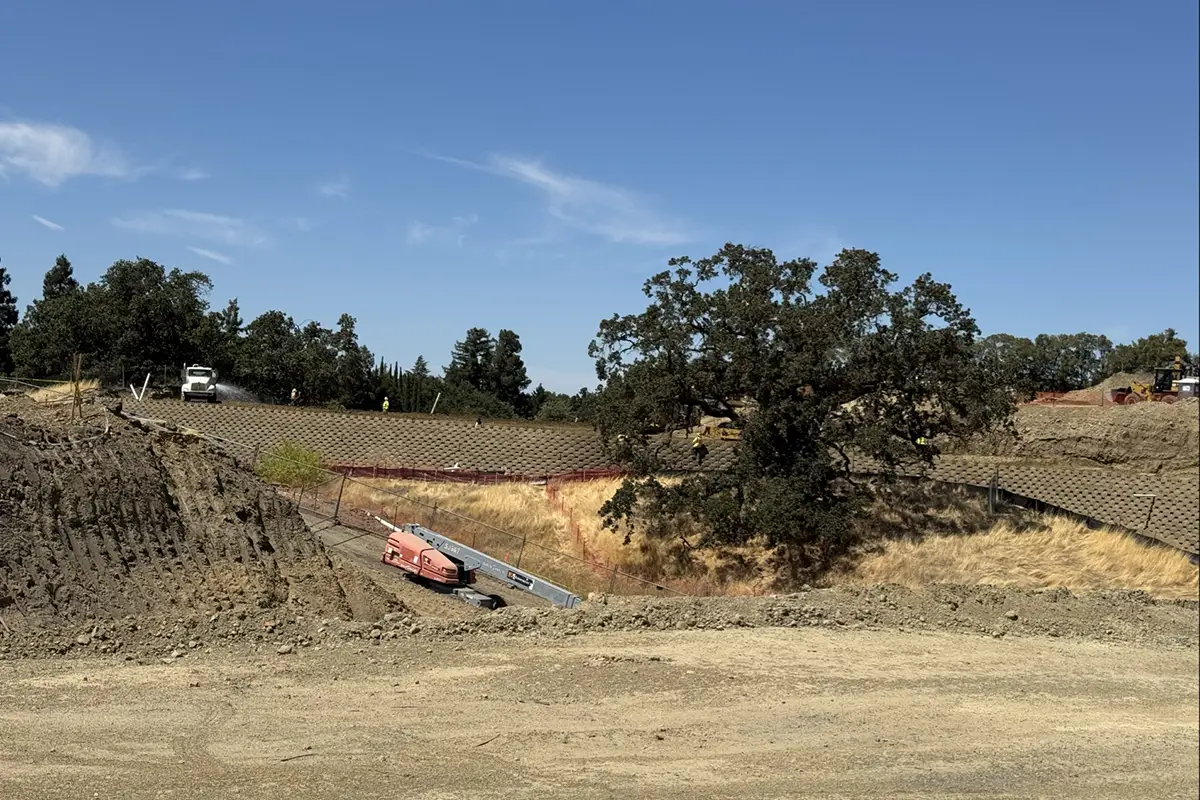
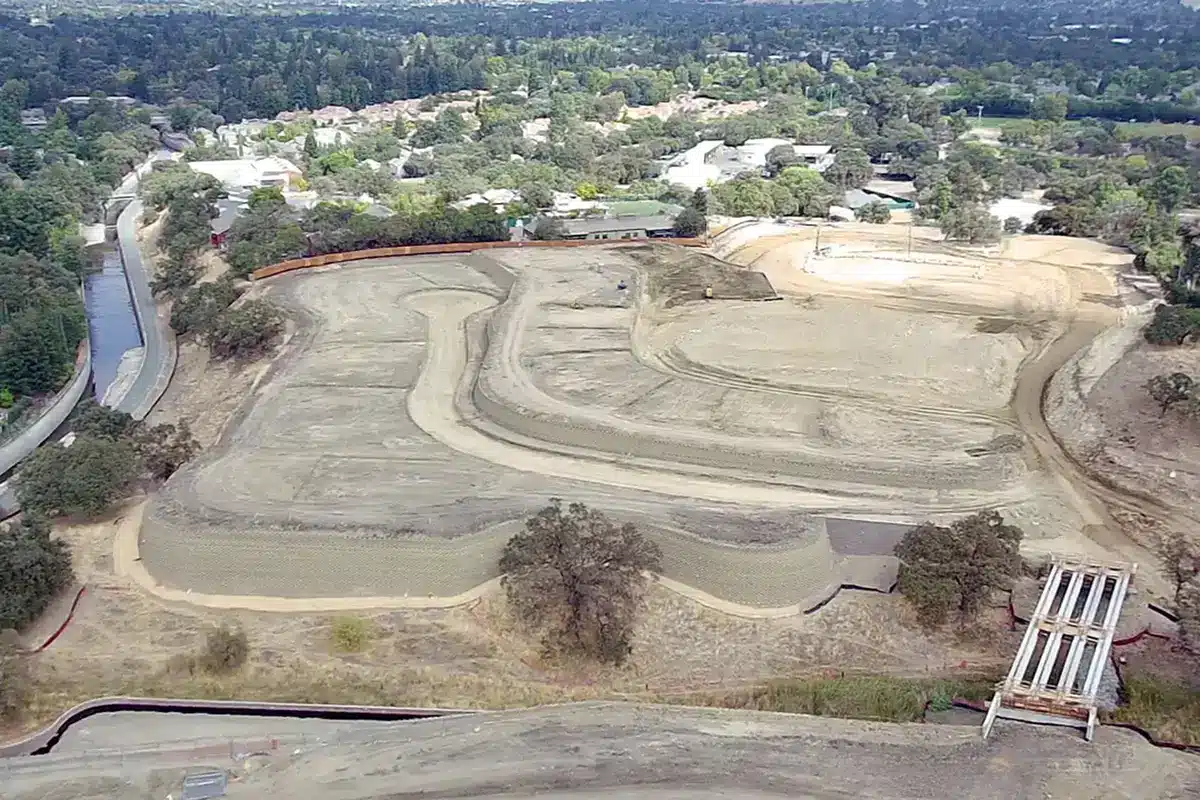
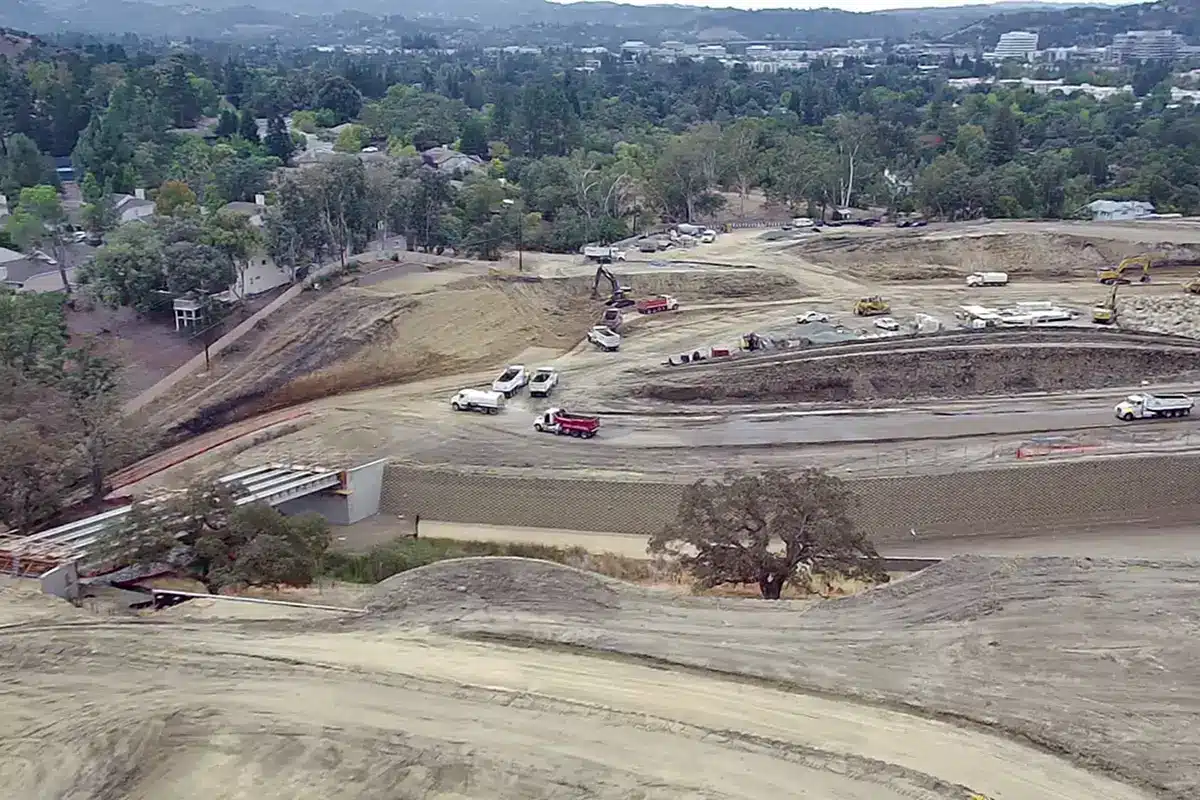
The Glen at Heather Farm, opening soon in Walnut Creek, California, is being designed around that idea. After years of schedules built around work, kids, or other people’s needs, retirement hands the calendar back to you. What you do with it is entirely up to you.
The Retirement Lifestyle Transition Nobody Warns You About
Most people expect retirement to feel like relief. For many, the first few months feel more like culture shock. A retirement lifestyle without any structure can feel disorienting before it feels freeing, especially for people who spent decades with a calendar dictated by someone else.
It helps to know this is normal, and that it doesn’t resolve overnight. Research on the retirement transition suggests the adjustment period typically spans from around six months before retirement to roughly two years after, meaning the strange, unsettled feeling some people notice in year one isn’t a sign that something’s wrong (Rodríguez-Monforte et al., 2020). It’s simply part of the timeline.
That’s a longer runway than most people expect, and it’s worth knowing about upfront. The goal during that window isn’t to have everything figured out by week two. It’s to give yourself permission to experiment, see what sticks, and adjust as you go. For some, that looks like:
- Trying a full week of classes, then realizing two was plenty
- Committing to a volunteer role, then adjusting the hours after the first month
- Planning a busy week, then deciding the next one stays open
- Saying yes to invitations for a while just to see what sticks
- Giving something up entirely because it turned out to feel like an obligation, not a choice
None of this is indecision. It’s how a retirement lifestyle actually gets built. Less five-year plan, more ongoing edit, with two years of runway to get it right.
Why the Activities Themselves Still Matter
Pace and flexibility are only half of it. According to the National Institute on Aging, engaging in activities that feel meaningful, whether that’s a class, a volunteer role, or simply time with people you enjoy, can help support well-being and independence as people age, and a sense of purpose is closely linked to greater happiness and life satisfaction (National Institute on Aging, n.d.).
A retirement lifestyle isn’t just about having time. It’s about having time for things that matter. The flexibility from the adjustment period is what lets people find the things that are actually worth their time, instead of settling for whatever fits the old schedule.
At The Glen at Heather Farm, future residents will have access to amenities and services that support that kind of exploration, from fitness and wellness offerings to clubs and social opportunities, so residents can figure out what fits without having to look far for options.
When Two People Want Different Things
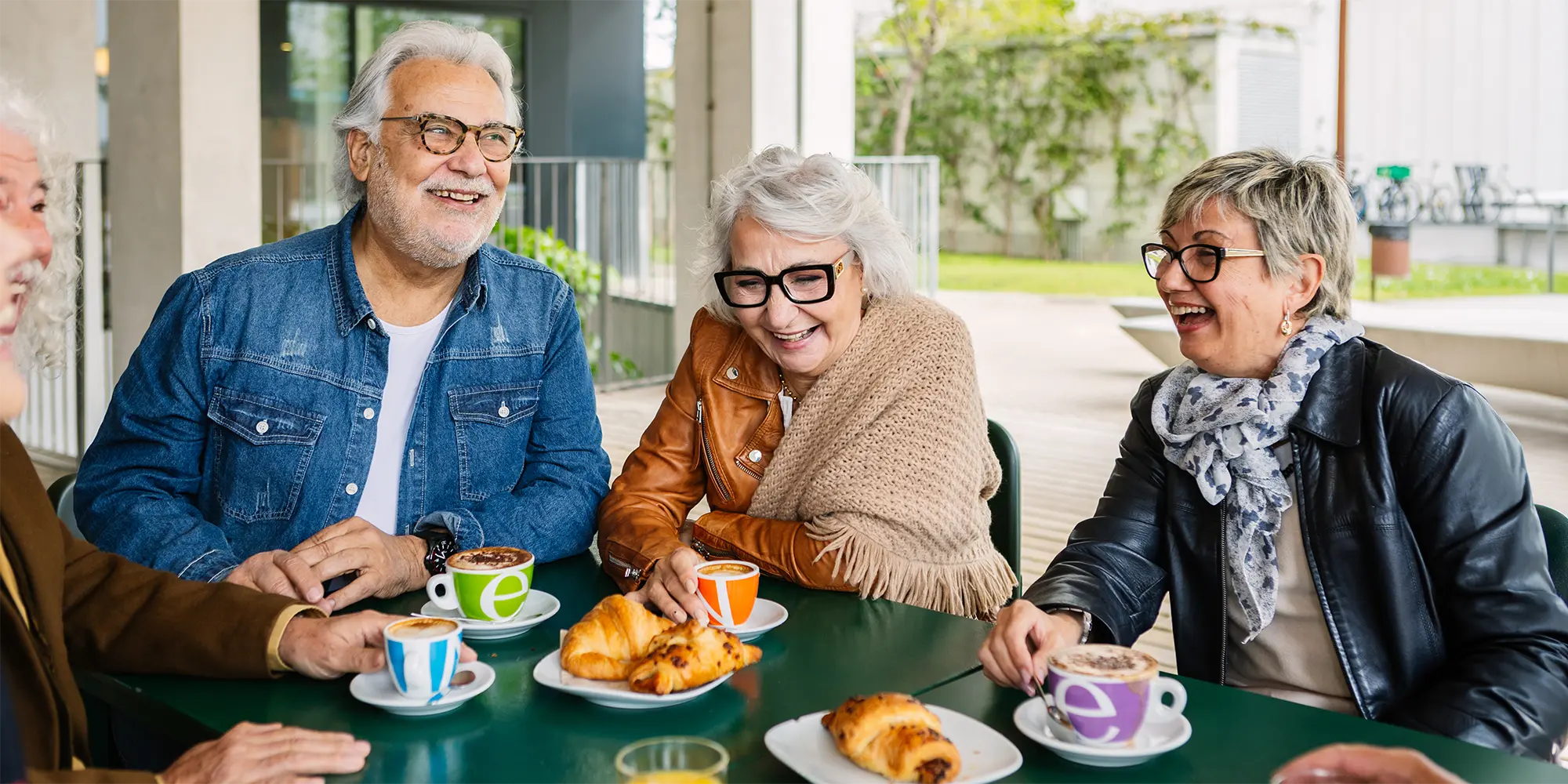
One thing that rarely gets mentioned: a retirement lifestyle built for one person doesn’t always match a spouse’s or partner’s. One person might want a packed week of activities. The other might want long mornings and fewer plans. That difference isn’t a problem to solve. It’s just something worth talking about early, rather than assuming retirement automatically means doing everything together.
Communities built around flexibility tend to make this easier, since there’s room for two different paces to coexist under one roof. Talking it through early is what makes a shared retirement lifestyle work for two different people.
Building a Life That Fits, Not One That Performs
The best retirement lifestyle isn’t the one that looks good on paper, and it’s rarely the one you land on right away. It’s the one that’s still standing six months in, after the adjustment period, the trial runs, and the inevitable changes of mind. Give it time, give yourself room to get it wrong a few times, and trust that the version that finally fits will be worth the runway it took to find it.
To learn more about our new retirement community opening soon, click here to contact us or click here to view available floor plans.
References
National Institute on Aging. (n.d.). Participating in activities you enjoy as you age. https://www.nia.nih.gov/health/healthy-aging/participating-activities-you-enjoy-you-age
Rodríguez-Monforte, M., et al. (2020). Interventions across the retirement transition for improving well-being: A scoping review. International Journal of Environmental Research and Public Health, 17(12), 4341. https://doi.org/10.3390/ijerph17124341
Frequently Asked Questions:
Is it normal to feel unsettled when first adjusting to retirement?
Yes. Research suggests the adjustment period after retirement can last up to two years, and it often takes time and experimentation to find a rhythm that feels right.
How do couples handle wanting different things in retirement?
It helps to talk openly about individual preferences early on. Many couples find that having separate routines alongside shared time works well.
Can a retirement lifestyle change over time?
Definitely. Preferences often shift, and a flexible approach allows daily life to evolve along with them.