Selling a home often comes with a long list of decisions, especially when it comes to repairs and updates. For many homeowners, the question becomes what not to fix when selling a house and where to focus instead. For those considering a move to The Glen at Heather Farm, opening soon in Walnut Creek, California, this stage is often part of a larger transition toward a more simplified and engaging retirement lifestyle. Knowing where to spend time and resources can help make the process feel more manageable and intentional.
What Not to Fix When Selling a House
It can be tempting to fix everything before putting a home on the market. However, not all repairs offer a meaningful return. According to the National Association of Realtors, many sellers benefit more from focusing on essential updates rather than major renovations that may not significantly increase a home’s value (National Association of Realtors, n.d.).
When deciding what not to fix when selling a house, consider avoiding:
- Major remodels such as full kitchen or bathroom renovations
- Highly personalized upgrades that may not appeal to future buyers
- Minor cosmetic imperfections that do not impact functionality
- Partial room upgrades that highlight unfinished areas
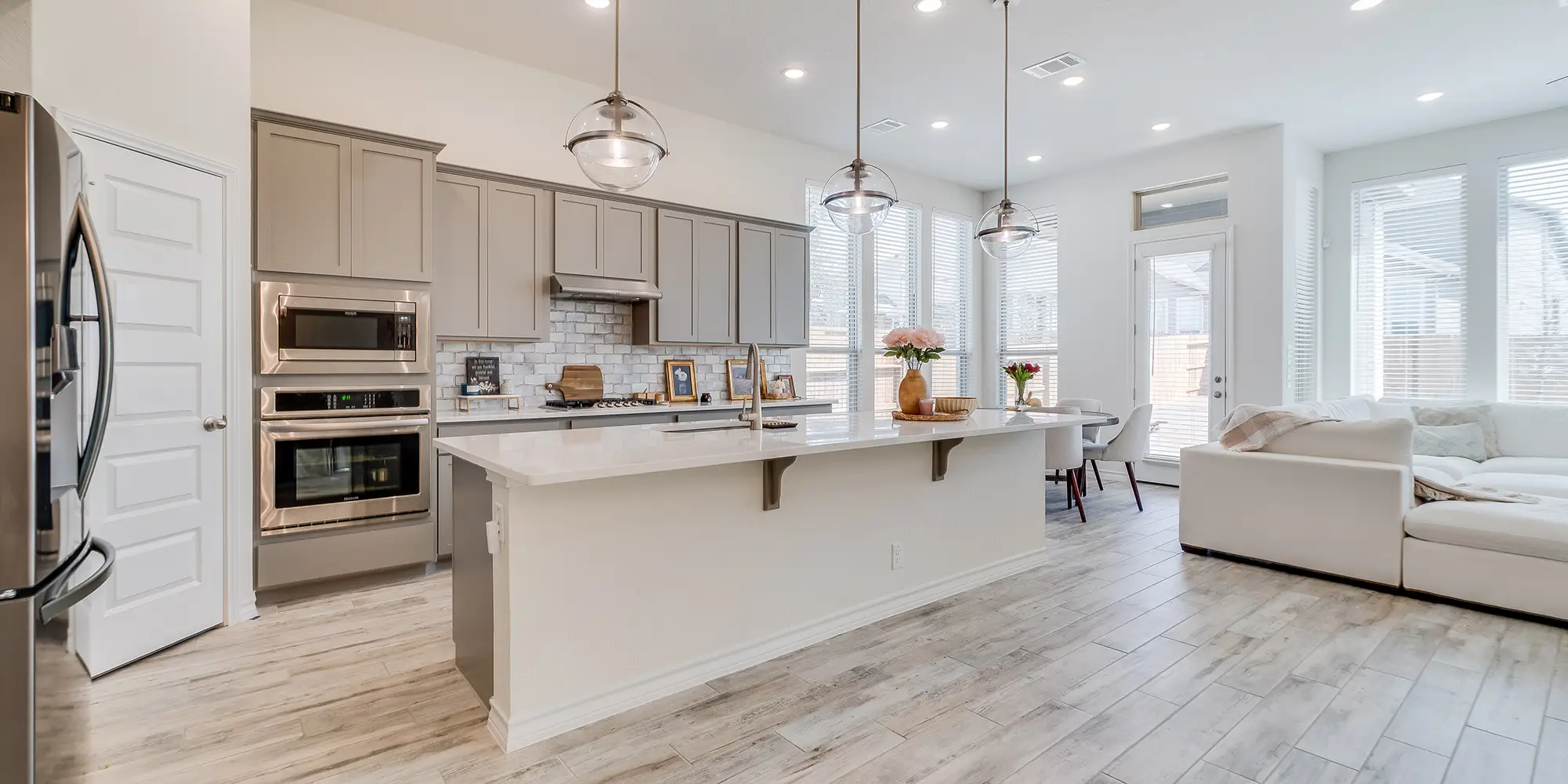
Instead of over-improving, the goal is to present a clean, well-maintained home that allows potential buyers to imagine their own vision.
What Actually Matters When Preparing to Sell
Rather than focusing on everything that could be changed, many homeowners benefit from prioritizing a few key areas. These are the updates that help a home feel cared for and move-in ready without requiring a major investment.
Simple improvements that often make a difference include:
- Fresh paint in neutral tones
- Basic landscaping or yard cleanup
- Addressing visible maintenance concerns such as leaks or lighting
- Decluttering and creating open, inviting spaces
Understanding what not to fix when selling a house can help shift attention toward these practical updates, making the process more efficient and less overwhelming.
Selling Your Home as Part of a Larger Transition
For many, selling a home is not just a transaction. It is part of a broader life transition. If you are preparing for a move, downsizing may also play an important role in this process. In a previous blog, we explored how to approach that step thoughtfully. If you are looking for guidance, you can read more here: Downsizing For Your Next Chapter
As you move through this stage, deciding what not to fix can help simplify decisions and reduce unnecessary stress. It allows you to focus on what comes next rather than getting caught up in every detail of what you are leaving behind.
Focusing on What Comes Next
Once your home is prepared for sale, attention often shifts toward the future. For those exploring The Glen at Heather Farm, the focus becomes less about maintaining a home and more about enjoying a lifestyle with access to amenities, activities, and opportunities to stay engaged.
Understanding what not to fix when selling a house helps create space for that transition. By keeping the process straightforward, you can move forward with clarity and confidence, knowing you have focused on what truly matters. With a clear sense of what not to fix when selling a house, this stage can feel less like a checklist and more like a meaningful transition toward what comes next.
To learn more about our new retirement community opening soon, contact us to get more information or view available floor plans.
References
National Association of Realtors. (n.d.). Consumer guide: Preparing to sell your home. https://www.nar.realtor/the-facts/consumer-guide-preparing-to-sell-your-home
Frequently Asked Questions: What not to fix when selling a house
What not to fix when selling a house to save money?
Focus on avoiding large renovations or highly customized updates that may not appeal to buyers. Prioritize simple improvements instead.
Is it better to fix everything before selling?
Not always. Knowing what not to fix when selling a house can help you avoid unnecessary costs and focus on essential updates.
How do I decide what not to fix when selling a house?
Start by addressing safety or functional issues, then leave cosmetic or highly personalized changes for the next homeowner.